People should be legally required to register the death of a loved one online within 24 hours after confusion exposed by the pandemic, the UK’s statistics chief says.
Professor Ian Diamond said it was impossible to produce up-to-date information on deaths in the community under current rules – which allow five days for the task to be done, by post.
“My view is strongly that we should get more timely data,” the national statistician told MPs.
Download the new Independent Premium app
Sharing the full story, not just the headlines
“And the way to do that is to legislate for the deaths to be registered electronically within 24 hours.”
The call comes after confusion over the true death toll from coronavirus, with hospital deaths reported much faster than those in care homes and other places.
More than 40,000 people are now known to have died – but the figure announced today by the Department of Health still stands at 33,186.
Prof Diamond also warned the pandemic was far from over, saying: “What we are seeing is a reduction in the deaths … but not at the moment as speedy as we would perhaps like.”
He estimated that 136,000 people in the community currently have Covid-19, where there was still an epidemic, adding: “We need to be careful.”
Asked whether the UK now had the highest death toll in Europe, Prof Diamond replied: “I am not prepared to say that at this time” – pointing to different measuring methods.
1/18
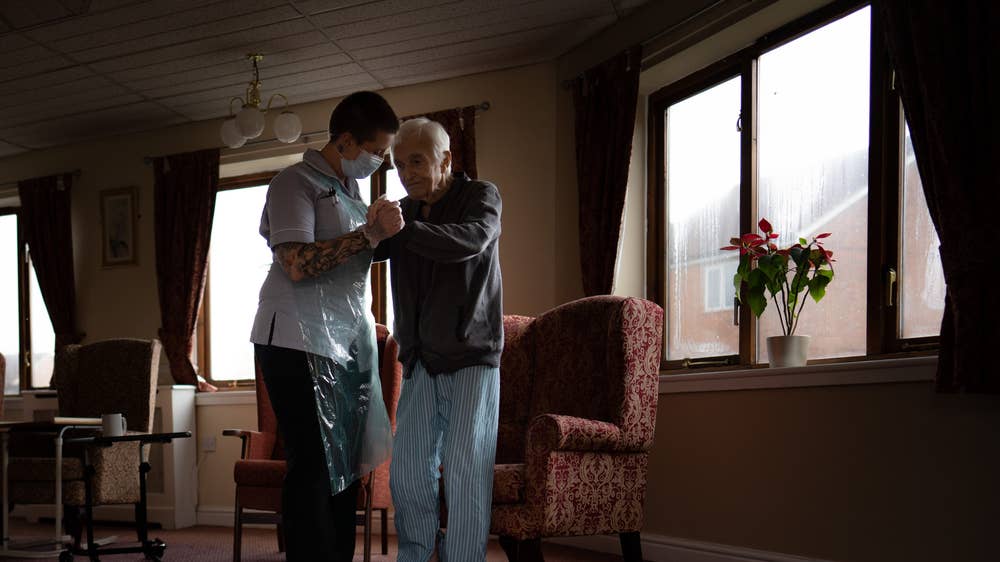
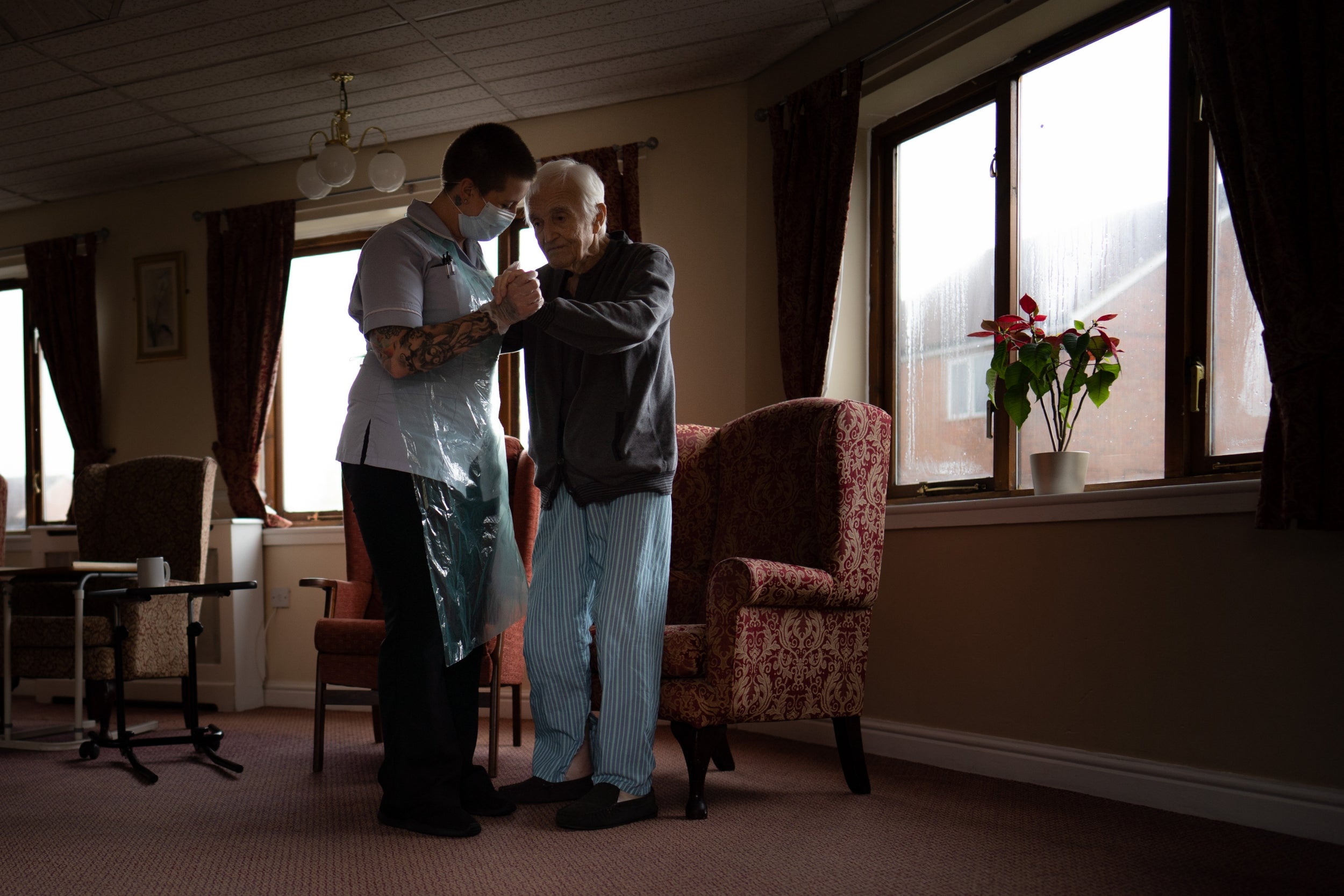
Jack Dodsley, 79, with a carer in PPE at Newfield Nursing Home
Tom Maddick/SWNS
2/18
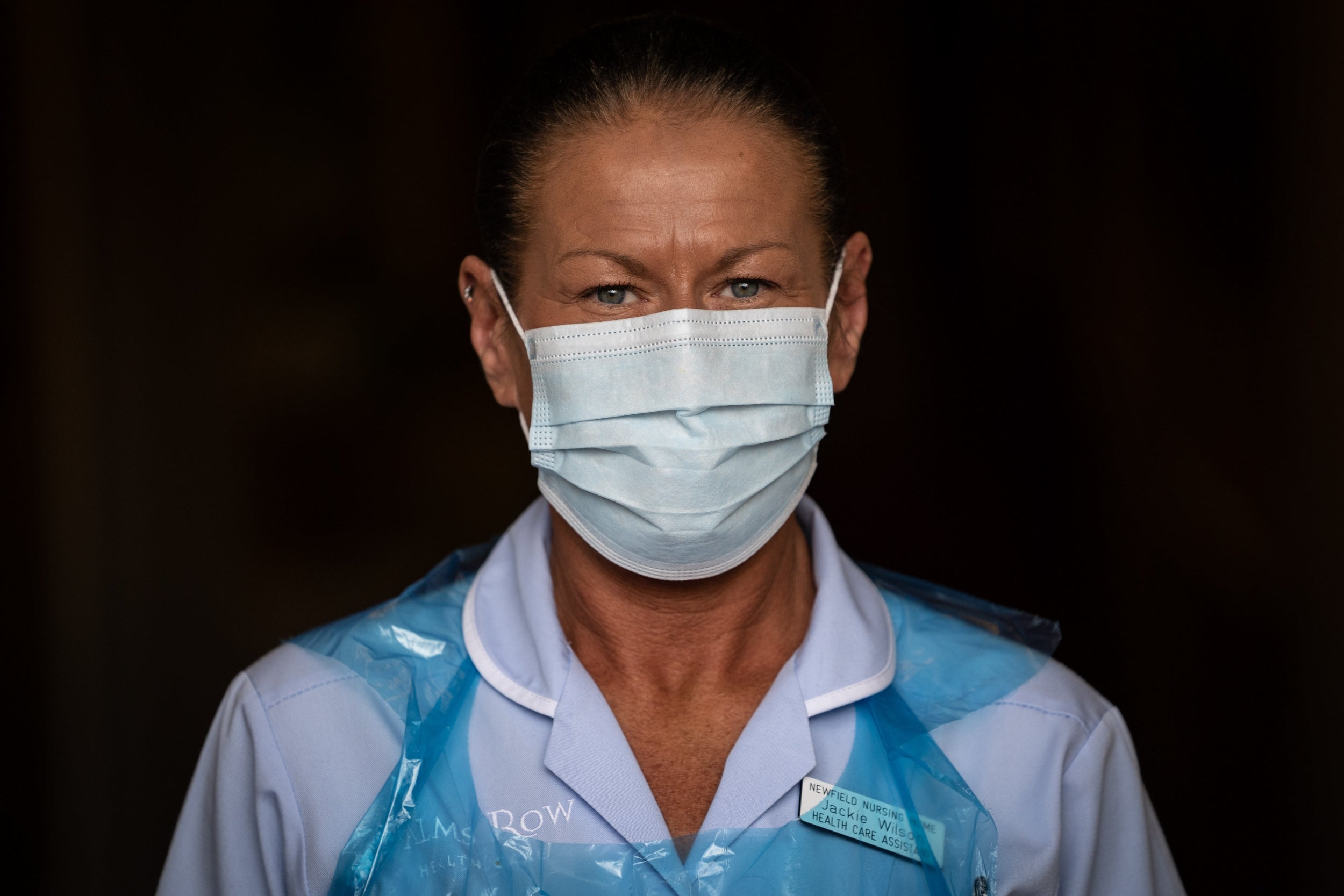
Jackie Wilson, a healthcare assistant, wearing PPE before going into rooms
Tom Maddick/SWNS
3/18
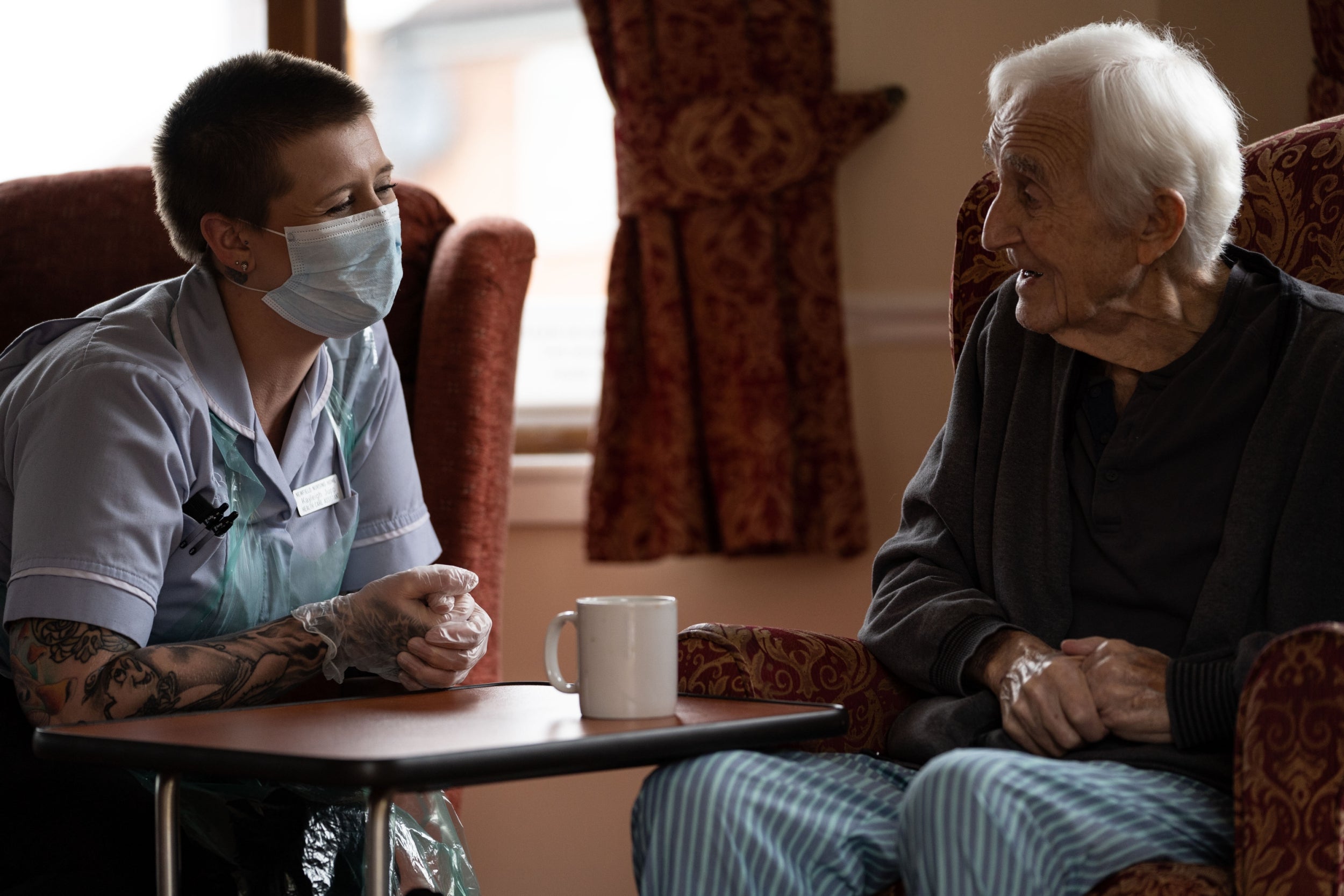
Jack Dodsley, 79, speaks to a carer at Newfield Nursing Home
Tom Maddick/SWNS
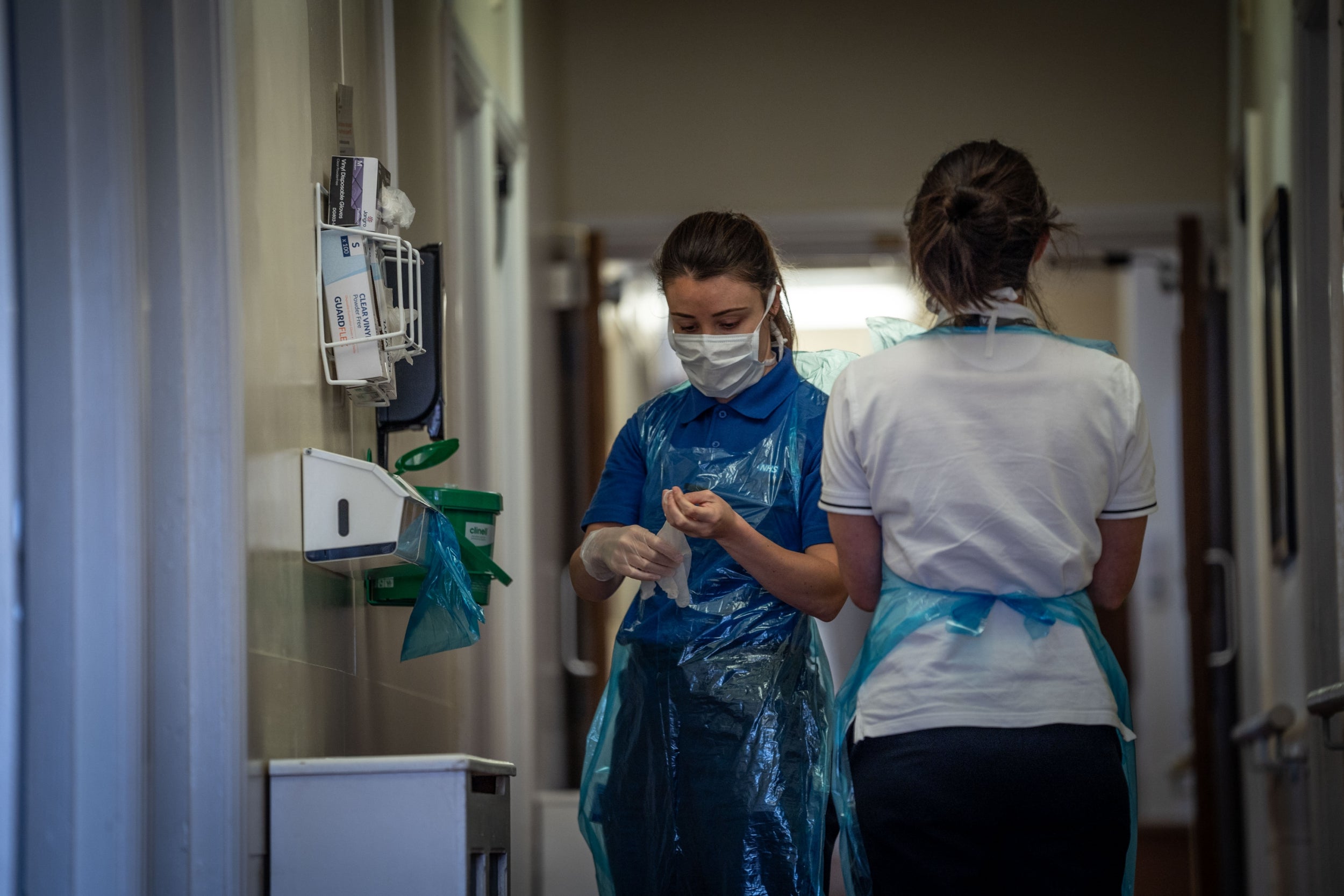
4/18
Carers working at Newfield Nursing Home
Tom Maddick/SWNS
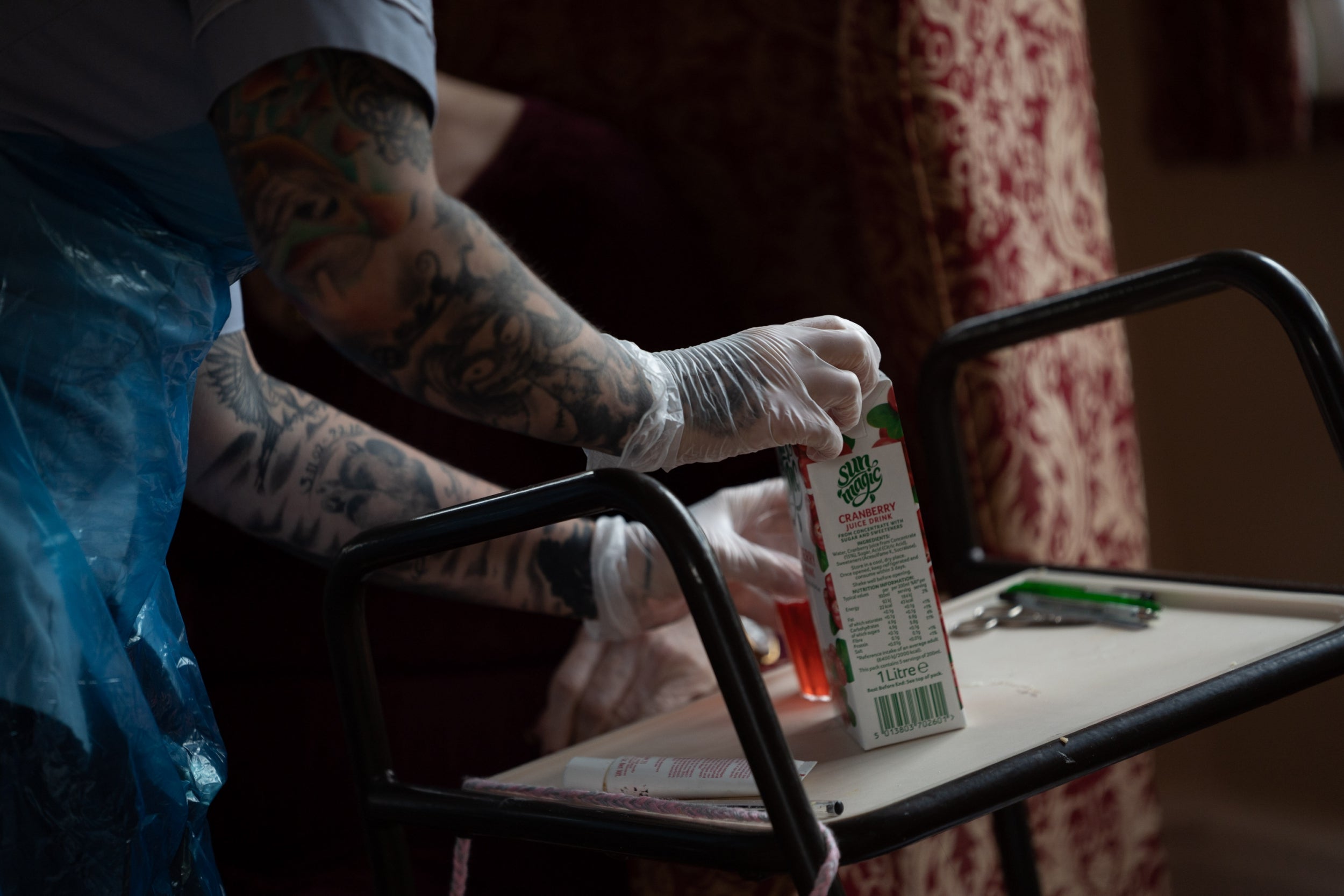
5/18
A care worker wearing PPE opens a drink carton
Tom Maddick/SWNS
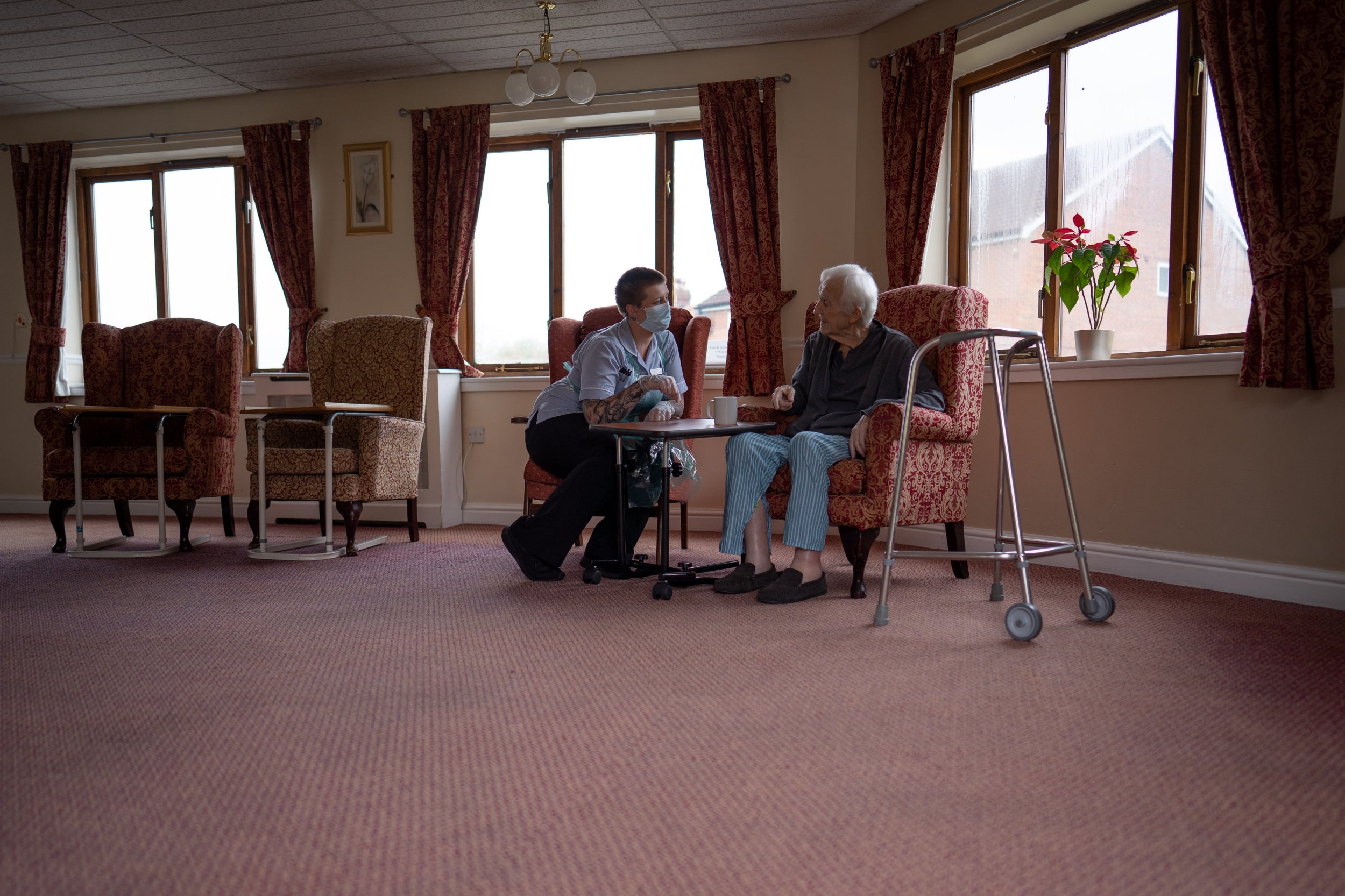
6/18
Jack Dodsley, 79, sits with a carer
Tom Maddick/SWNS
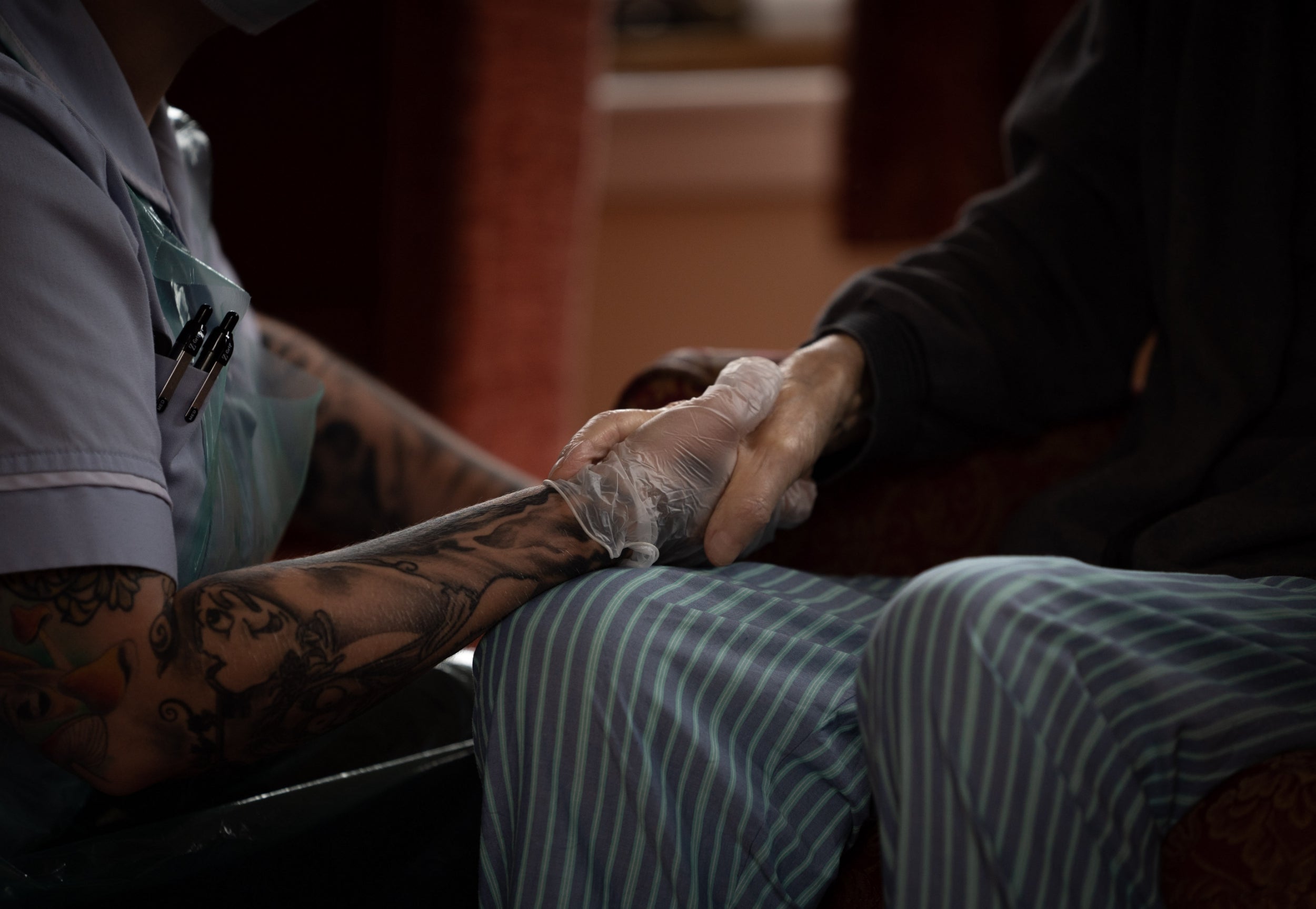
7/18
Jack Dodsley, 79, with a carer in PPE
Tom Maddick/SWNS

8/18
A care staff member wearing PPE
Tom Maddick/SWNS
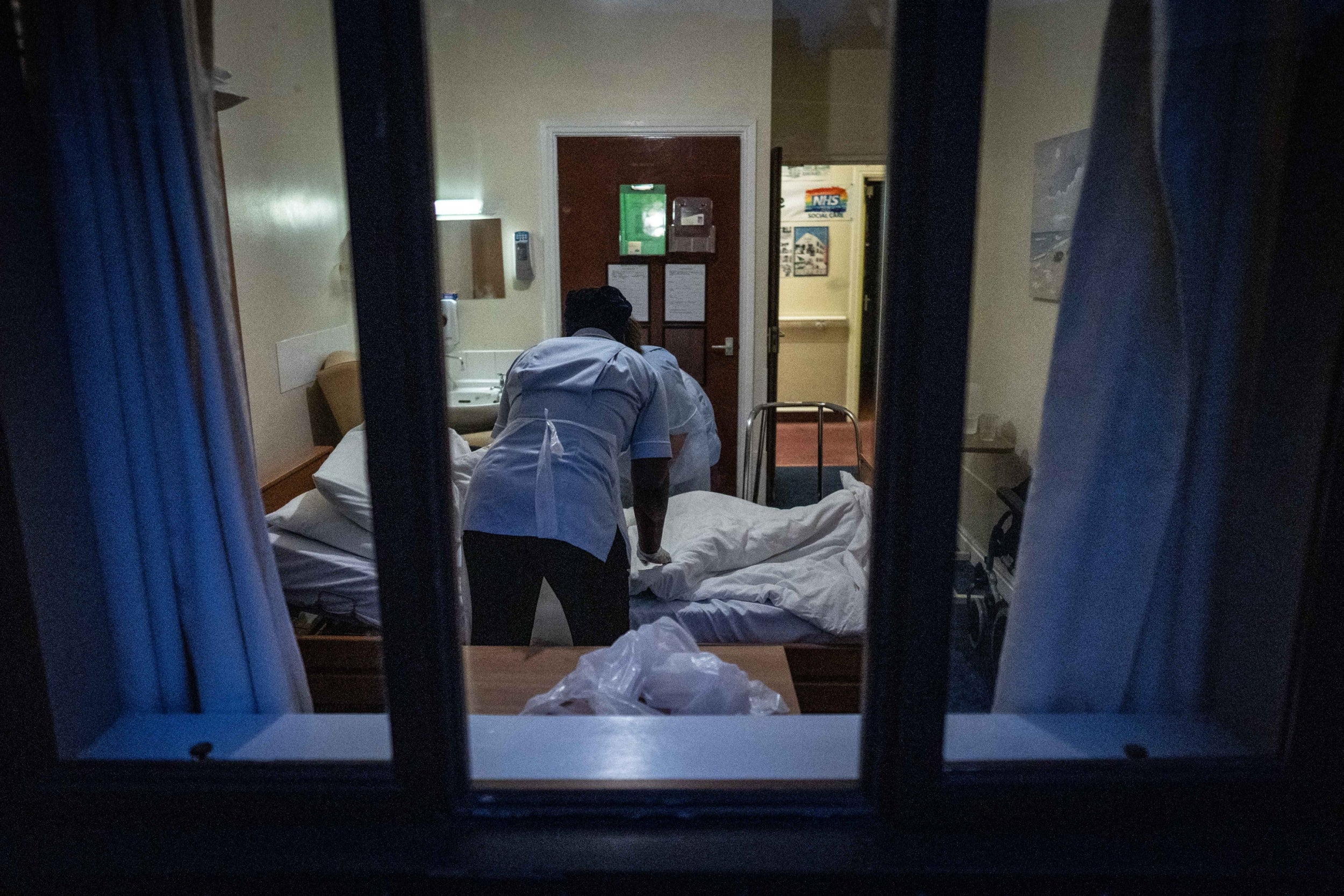
9/18
A staff member at Newfield Nursing Home looks after a resident
SWNS
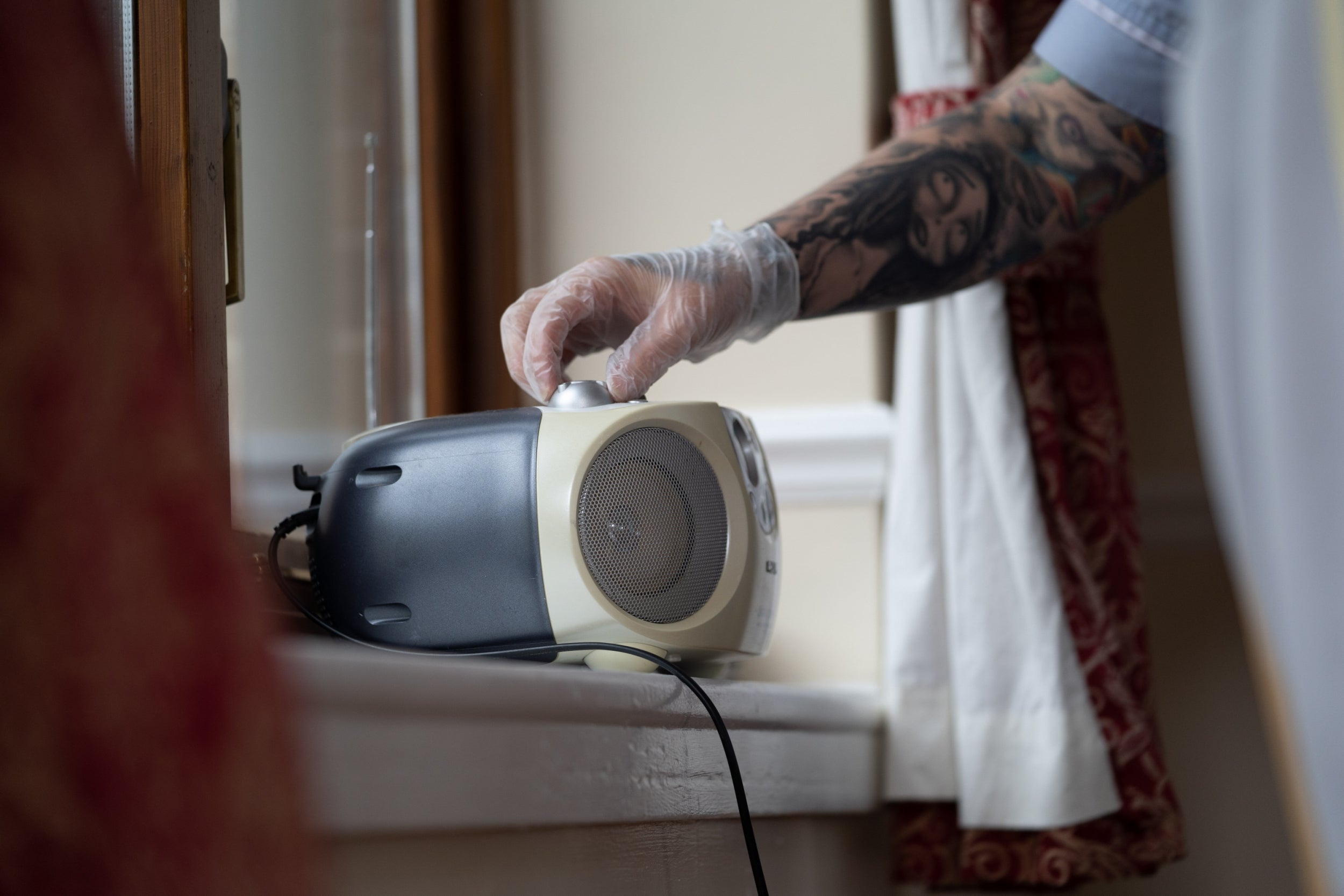
10/18
A carer wearing PPE uses a speaker
Tom Maddick/SWNS
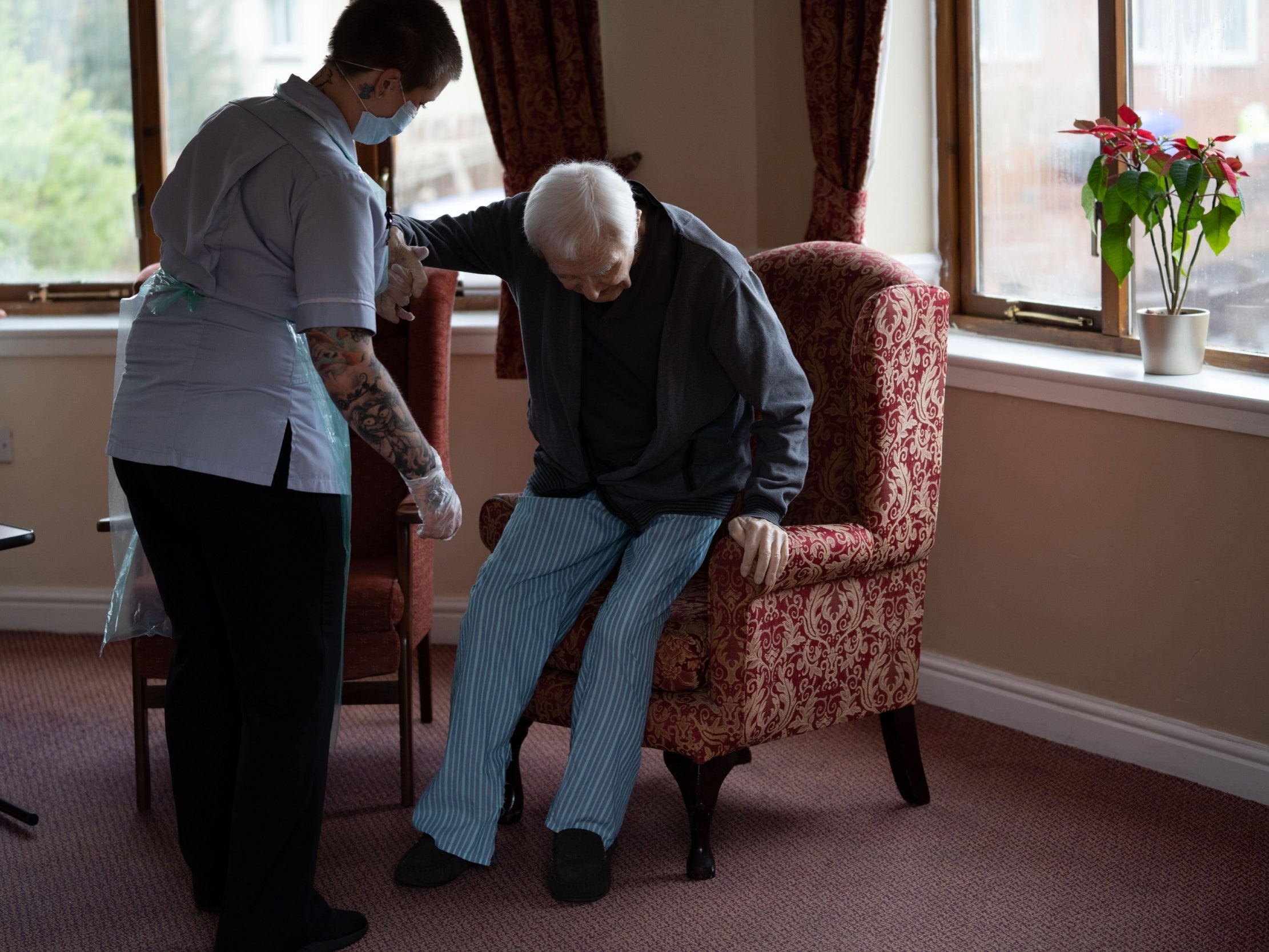
11/18
A carer helps Jack Dodsley, 79, from his chair
Tom Maddick/SWNS
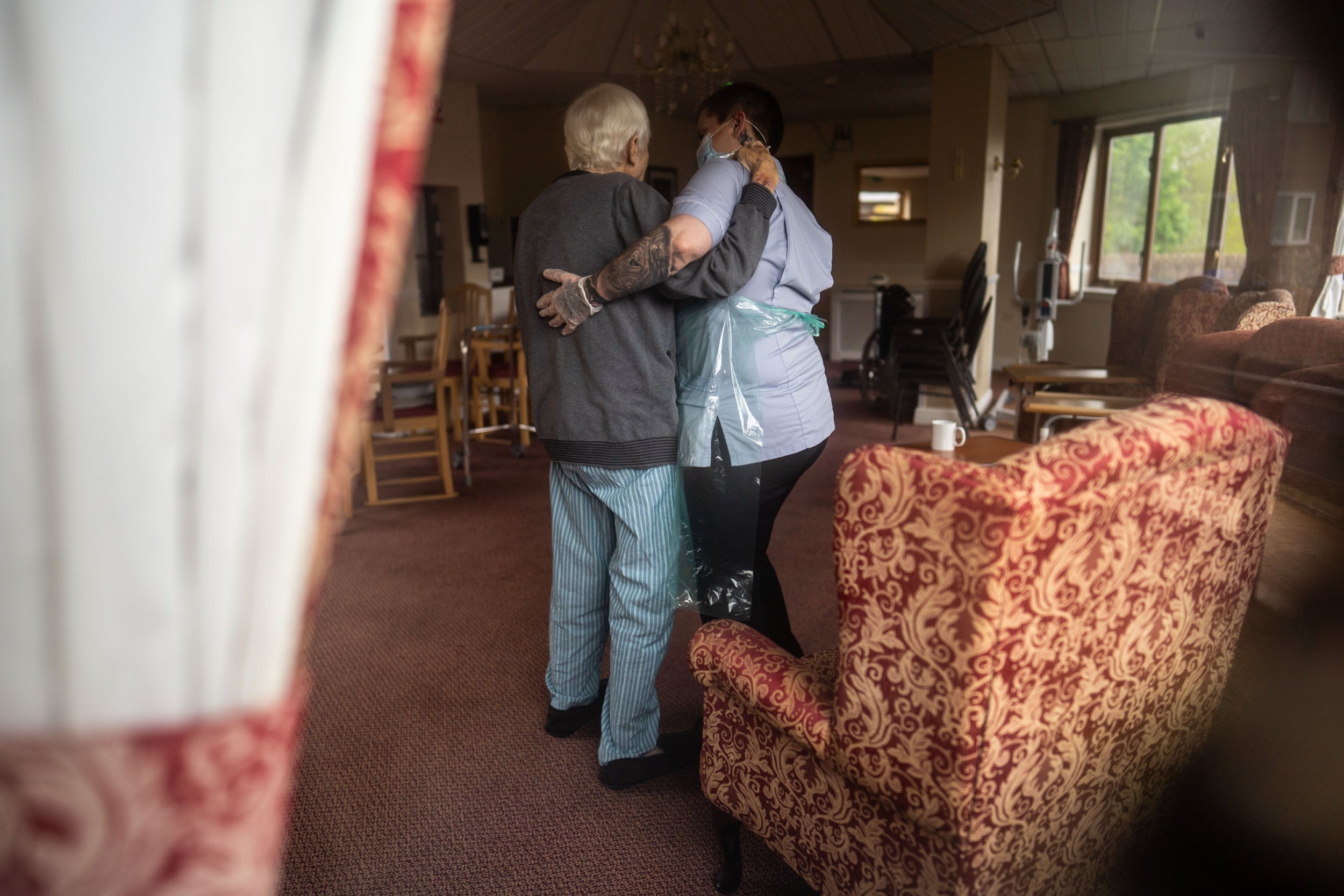
12/18
A carer wearing PPE helps Jack Dodsley, 79
Tom Maddick/SWNS
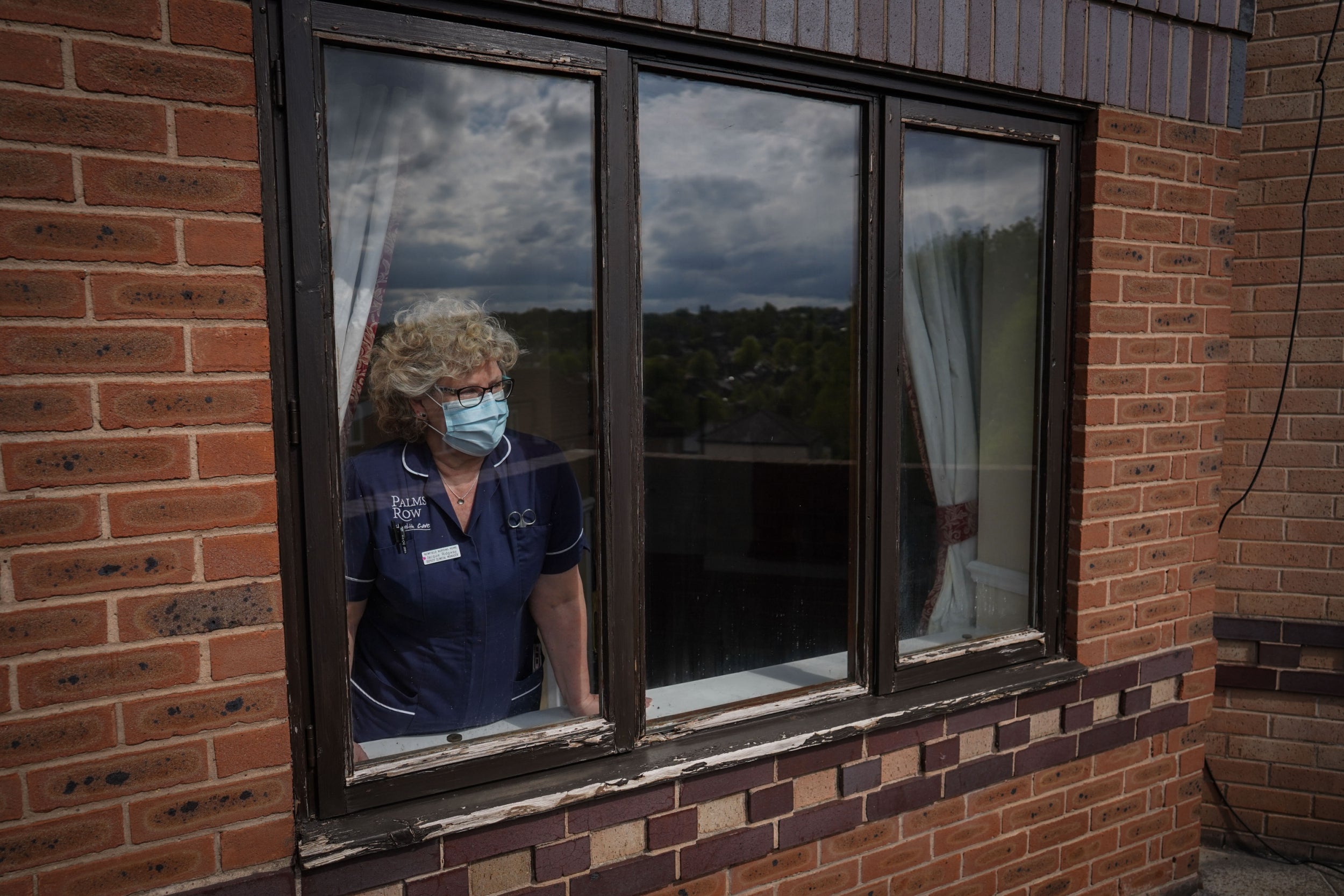
13/18
A staff member at Newfield Nursing Home
Tom Maddick/SWNS
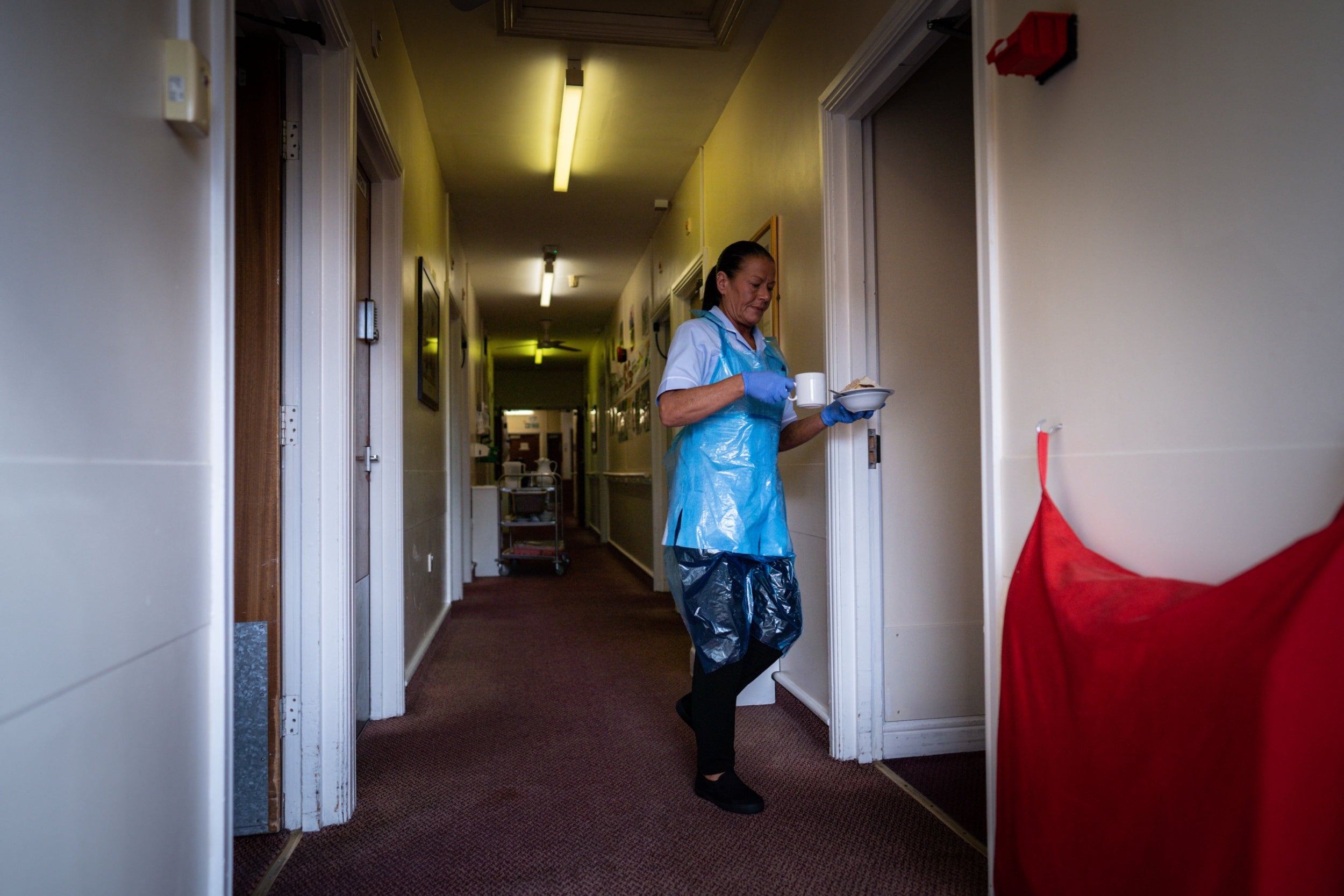
14/18
A carer brings food to a resident at Newfield Nursing Home
Tom Maddick/SWNS
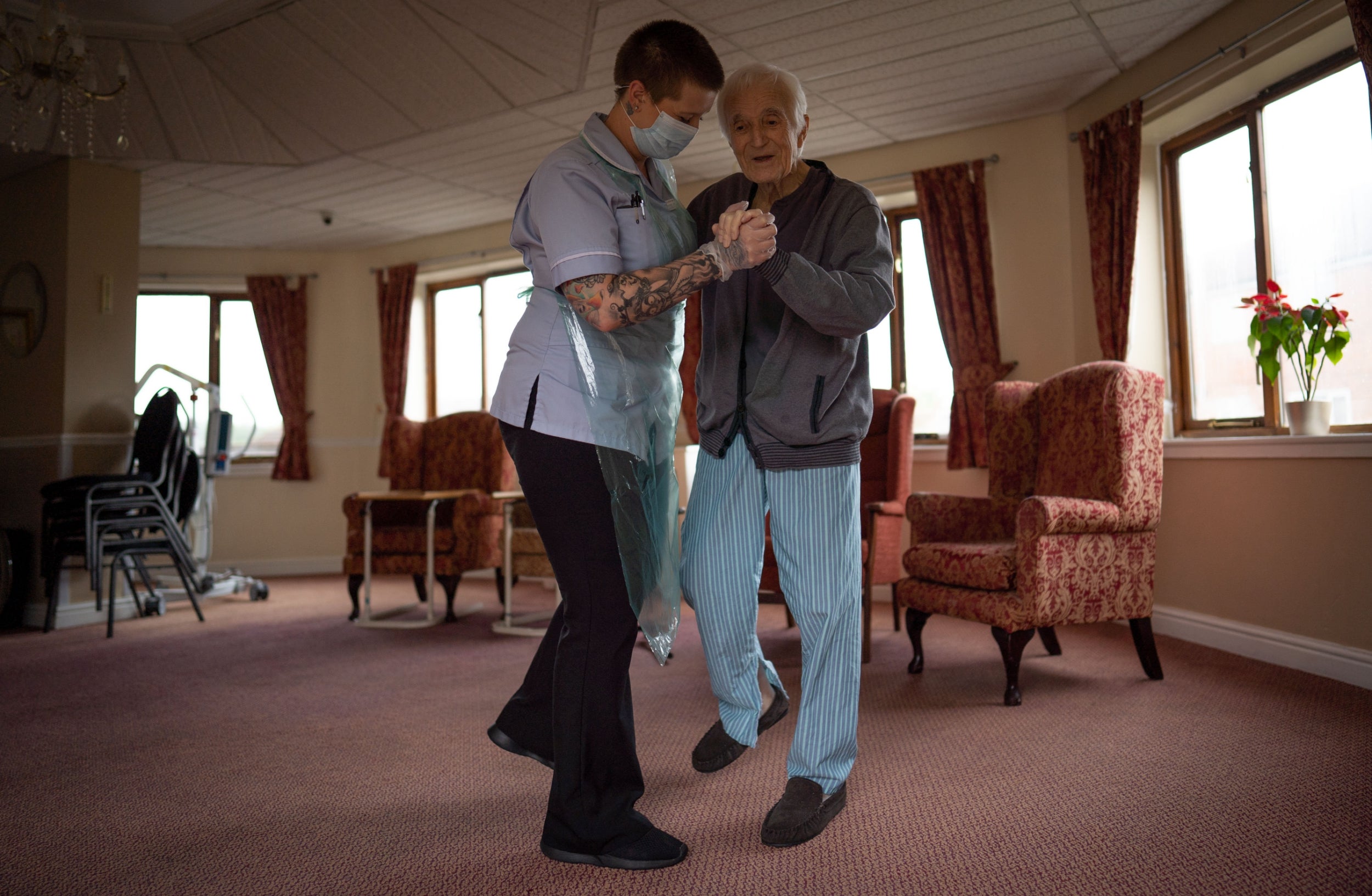
15/18
Jack Dodsley, 79, with a carer in PPE
Tom Maddick/SWNS
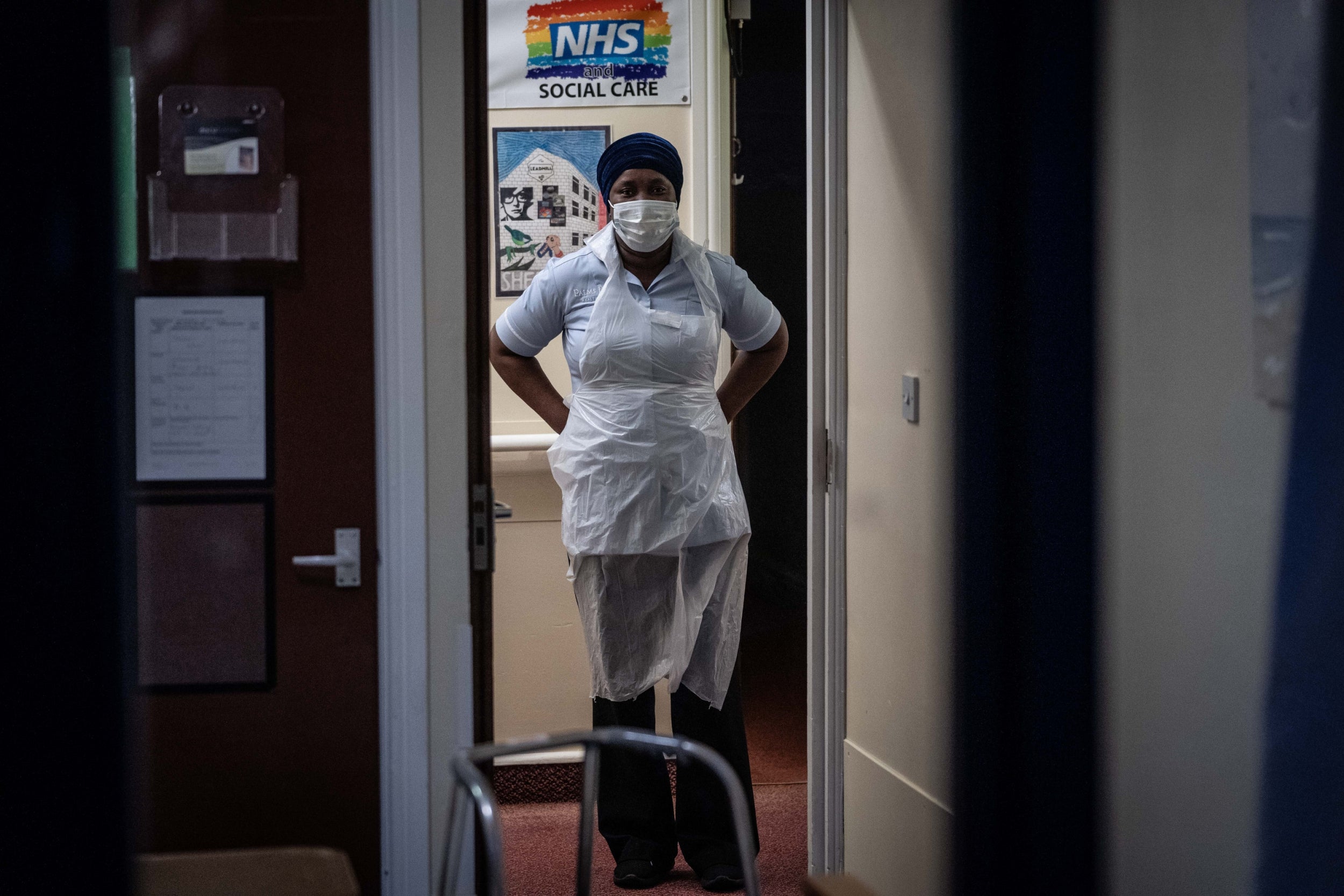
16/18
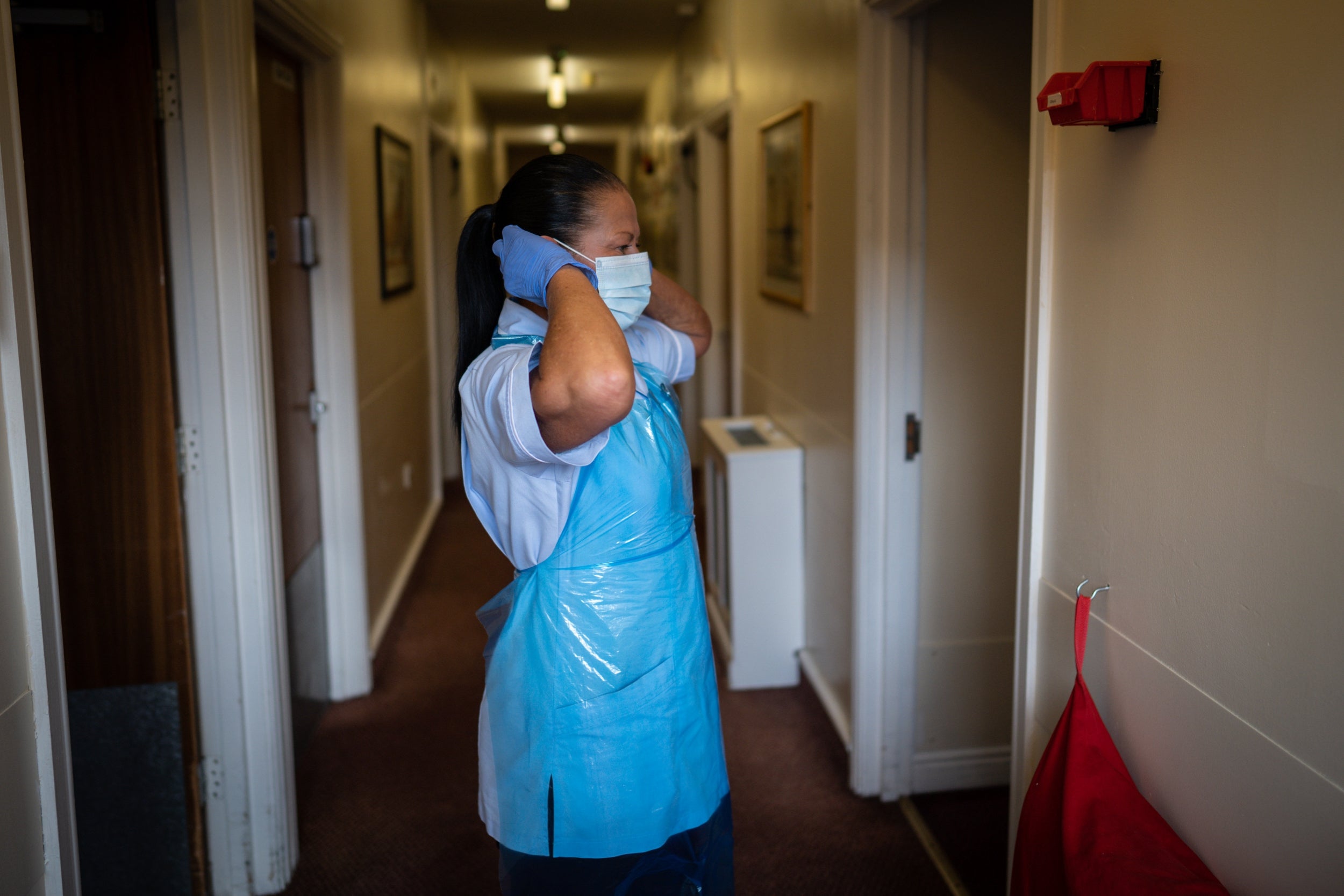
A staff member puts on PPE at Newfield Nursing Home
Tom Maddick/SWNS
17/18
Jackie Wilson, a healthcare assistant, puts on PPE before she enters a room
SWNS
18/18
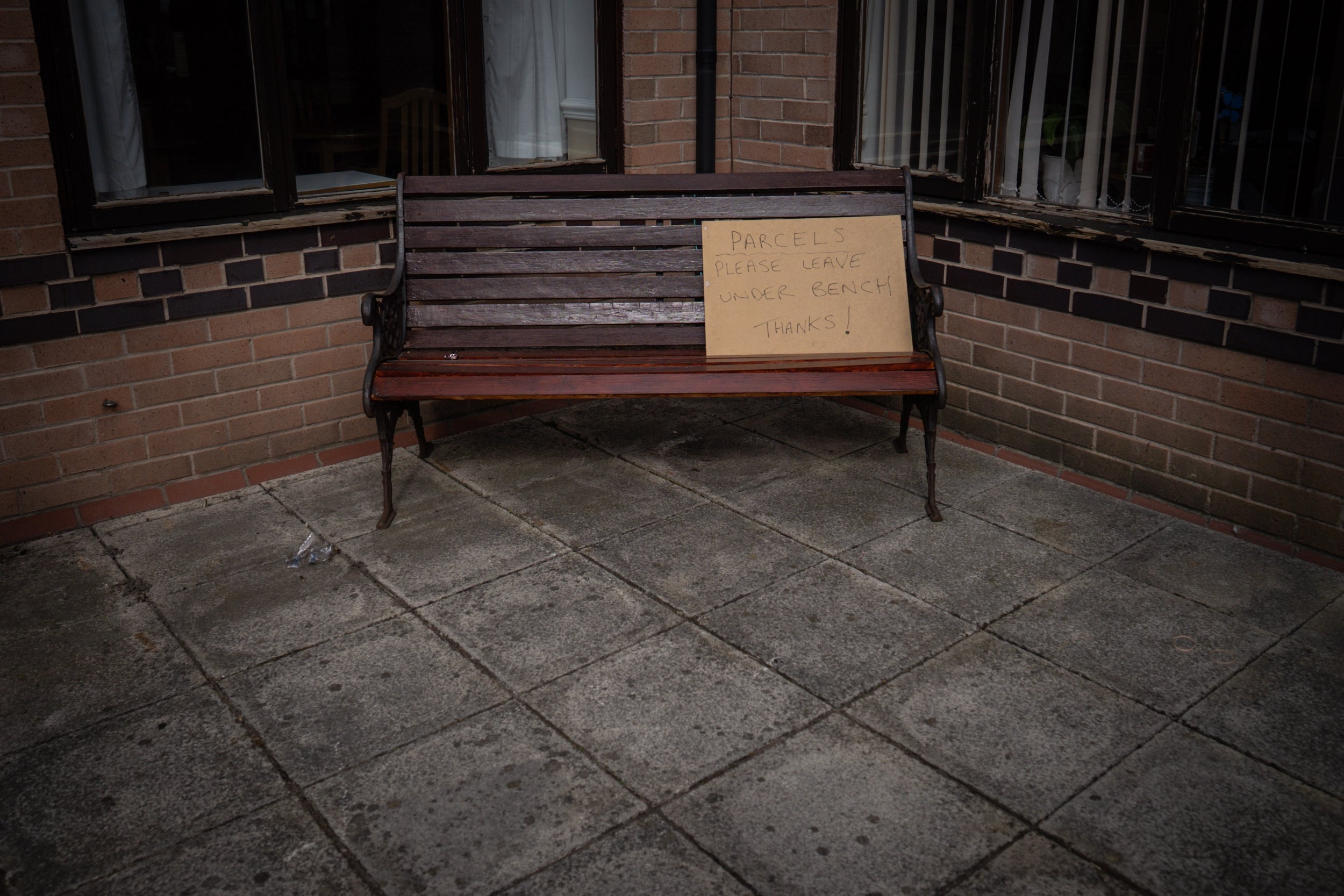
A bench at Newfield Nursing Home
Tom Maddick/SWNS
1/18
Jack Dodsley, 79, with a carer in PPE at Newfield Nursing Home
Tom Maddick/SWNS
2/18
Jackie Wilson, a healthcare assistant, wearing PPE before going into rooms
Tom Maddick/SWNS
3/18
Jack Dodsley, 79, speaks to a carer at Newfield Nursing Home
Tom Maddick/SWNS
4/18
Carers working at Newfield Nursing Home
Tom Maddick/SWNS
5/18
A care worker wearing PPE opens a drink carton
Tom Maddick/SWNS
6/18
Jack Dodsley, 79, sits with a carer
Tom Maddick/SWNS
7/18
Jack Dodsley, 79, with a carer in PPE
Tom Maddick/SWNS
8/18
A care staff member wearing PPE
Tom Maddick/SWNS
9/18
A staff member at Newfield Nursing Home looks after a resident
SWNS
10/18
A carer wearing PPE uses a speaker
Tom Maddick/SWNS
11/18
A carer helps Jack Dodsley, 79, from his chair
Tom Maddick/SWNS
12/18
A carer wearing PPE helps Jack Dodsley, 79
Tom Maddick/SWNS
13/18
A staff member at Newfield Nursing Home
Tom Maddick/SWNS
14/18
A carer brings food to a resident at Newfield Nursing Home
Tom Maddick/SWNS
15/18
Jack Dodsley, 79, with a carer in PPE
Tom Maddick/SWNS
16/18
A staff member puts on PPE at Newfield Nursing Home
Tom Maddick/SWNS
17/18
Jackie Wilson, a healthcare assistant, puts on PPE before she enters a room
SWNS
18/18
A bench at Newfield Nursing Home
Tom Maddick/SWNS
But he added: “There is no doubt that we are at the higher level for deaths. I have got no problem about saying that.”
At present, most deaths are registered at a district office, by someone taking in documents including a medical certificate.
The latest news on Brexit, politics and beyond direct to your inbox
It must be done within five days, but can be delayed for a further nine days in some circumstances – and, if a death has been reported to the coroner, cannot be done until investigations are completed.
Registration is typically done by a relative, but it can be someone else in a building where the death took place or the person arranging the funeral.
Intentionally failing to inform a registrar about a death can lead to a fine of £200.
The government has been criticised for dropping the release of daily slides, comparing death tolls in different countries, as the UK’s total has grown.
But the decision was backed by Ed Humpherson, director general of the UK Statistics Authority, who told the Commons public administration committee: “We welcome the change that has come in in the last few days.”
Prof Diamond backed the new smartphone app, at the heart of the “test and trace” policy and to be extended across the country from next week.
However, he warned that people who are most vulnerable to the disease – older people and poorer people – would be least likely to download it.